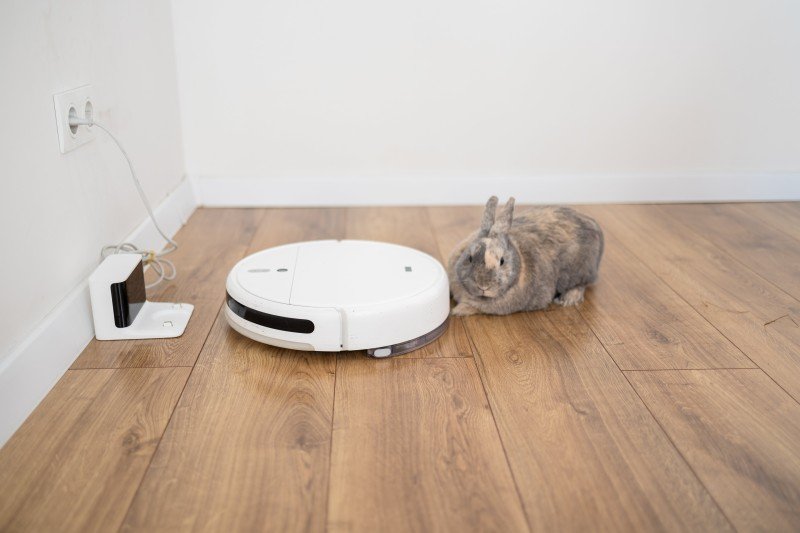
The Rise of Robotic Vacuums: A Comprehensive Guide
In the fast-paced world of technological improvements, the integration of robotics into daily household chores has actually revolutionized the method individuals maintain their homes. Among the most popular and practical developments is the robotic vacuum cleaner, a gadget designed to autonomously tidy floors, reducing the need for manual labor. This article explores the development, performance, advantages, and future of robotic vacuums, offering a thorough guide for those thinking about adding one to their family.
The Evolution of Robotic Vacuums
The idea of a robotic vacuum dates back to the late 20th century, however it wasn't until the early 2000s that these devices became commercially viable. The first commonly recognized robotic vacuum, the iRobot Roomba, was presented in 2002. Ever since, the innovation has actually advanced significantly, with contemporary models including sophisticated navigation systems, effective suction, and smart home integration.
Key Milestones:
- 2002: Introduction of the iRobot Roomba - The first commercially effective robotic vacuum.
- 2005: Advanced Navigation - Integration of infrared sensing units and cliff detection to prevent falls.
- 2010: Wi-Fi Connectivity - Allowing push-button control and scheduling through smart device apps.
- 2015: Mapping and Zoning - Advanced mapping technology for more efficient cleaning.
- 2020: AI and Machine Learning - Enhanced navigation and cleaning patterns through synthetic intelligence.
How Robotic Vacuums Work
Robotic vacuums run using a mix of sensors, algorithms, and motors. Here's a breakdown of the crucial parts and processes:
- Sensors: These consist of infrared, ultrasonic, and optical sensors that assist the vacuum detect barriers, edges, and dirt. Robot Vacuum Mops use electronic cameras for visual mapping.
- Mapping and Navigation: Advanced models utilize SLAM (Simultaneous Localization and Mapping) innovation to develop a map of the cleaning area and navigate effectively.
- Suction and Brushes: Robotic vacuums utilize effective motors to create suction and numerous brushes to choose up dirt and particles. Some designs include side brushes to reach into corners.
- Battery and Charging: Most robotic vacuums are equipped with rechargeable lithium-ion batteries. They go back to their charging dock when the battery is low.
- Smart Home Integration: Many models can be controlled through mobile phone apps, voice assistants like Amazon Alexa or Google Assistant, and can be integrated into smart home systems.
Advantages of Robotic Vacuums
- Convenience: One of the most considerable advantages is the convenience of hands-free cleaning. Users can set up cleansings or begin them remotely, permitting a clean home without the effort.
- Efficiency: Modern robotic vacuums are created to tidy effectively, covering large areas and browsing around obstacles with ease.
- Long-Term Savings: While the initial cost might be higher, the long-term savings on manual cleaning tools and the time conserved can be considerable.
- Allergy Relief: Regular cleaning can assist decrease allergens in the home, making it a helpful financial investment for allergy patients.
- Eco-Friendly: Many models are energy-efficient and utilize recyclable products, making them a more sustainable cleaning alternative.
Popular Models and Features
iRobot Roomba i7+
- Features: Advanced mapping, automatic dirt disposal, Wi-Fi connection, and voice control.
- Rate Range: ₤ 600 - ₤ 1,000
Dyson 360 Heurist
- Functions: 360-degree cam for mapping, powerful suction, and HEPA filtration.
- Price Range: ₤ 600 - ₤ 800
Ecovacs Deebot Ozmo T8
- Functions: TrueMapping navigation, mopping capabilities, and voice control.
- Cost Range: ₤ 500 - ₤ 700
Neato D7
- Features: Laser navigation, large cleaning location, and app control.
- Rate Range: ₤ 500 - ₤ 700
Future Trends in Robotic Vacuums
The future of robotic vacuums is appealing, with ongoing improvements in innovation. Some patterns to see for include:
- Enhanced AI and Machine Learning: More sophisticated algorithms will make it possible for much better navigation, challenge avoidance, and cleaning efficiency.
- Combination with Smart Home Ecosystems: Increased compatibility with numerous smart home gadgets and platforms.
- Improved Battery Life: Longer-lasting batteries to cover bigger areas without needing to recharge.
- Multi-Functionality: Beyond vacuuming, future designs may include extra functions like air filtration and surface area cleaning.
FAQs
Q: Are robotic vacuums as efficient as standard vacuums?A: While they might not be as effective as high-end conventional vacuums, modern-day robotic vacuums are extremely effective for routine cleaning jobs. They are particularly helpful for keeping a clean home in between deep cleans up.
Q: How frequently should I clean up the filters and brushes?A: It is recommended to clean the filters and brushes after every couple of uses to make sure optimal performance. Speak with the user manual for specific maintenance directions.
Q: Can robotic vacuums navigate stairs?A: Most robotic vacuums are equipped with cliff sensing units that prevent them from dropping stairs. Nevertheless, they are not designed to tidy stairs.
Q: Are robotic vacuums noisy?A: Generally, robotic vacuums are quieter than conventional vacuums. Nevertheless, sound levels can vary by design. Some designs provide quiet cleaning modes for nighttime usage.
Q: Can I utilize a robotic vacuum with pets?A: Yes, numerous robotic vacuums are created to manage pet hair and dander. Search for models with strong suction and specialized pet cleaning functions.
Robotic vacuums have come a long way because their creation, offering a convenient, efficient, and environmentally friendly solution to family cleaning. With ongoing advancements in innovation, these devices are becoming more advanced and user-friendly. Whether you're seeking to save time, minimize allergens, or merely delight in a cleaner home, a robotic vacuum is a beneficial financial investment. By understanding the features, benefits, and future trends, you can make an informed decision to improve your home cleaning experience.